Conspiracy Theories
Course Features
Course Details
Course Overview
The Acellus Conspiracy Theories course equips students with the critical thinking and research skills needed to navigate some of history’s most intriguing and controversial topics. Students begin by building a strong foundation in historical inquiry, learning to identify the origins of conspiracies, myths, and mysteries while distinguishing fact from fiction and misinformation. They then apply these skills to in-depth case studies of major historical events and legends, examining primary sources, official investigations, alternative theories, archaeological evidence, and modern technological insights. Throughout the course, students evaluate competing explanations, weigh evidence, and form educated opinions grounded in factual analysis rather than speculation.
The curriculum guides learners through landmark mysteries such as the JFK assassination, the Lost Colony of Roanoke, the disappearance of the Ark of the Covenant, UFO phenomena, the Bermuda Triangle, the Nazca Lines, Oak Island’s Money Pit, the Egyptian Pyramids, the Lincoln assassination, Stonehenge, the death of Adolf Hitler, and the Knights Templar. Each unit blends historical context with detailed timelines, key figures, and cultural impact, encouraging students to question assumptions and develop a nuanced understanding of how history is interpreted and sometimes mythologized.
By the end of the course, students will be able to classify theories, conduct independent research using 21st-century tools, and articulate reasoned conclusions. The course emphasizes evidence-based reasoning, source evaluation, and the importance of intellectual curiosity, preparing learners to approach complex historical questions with confidence and skepticism.
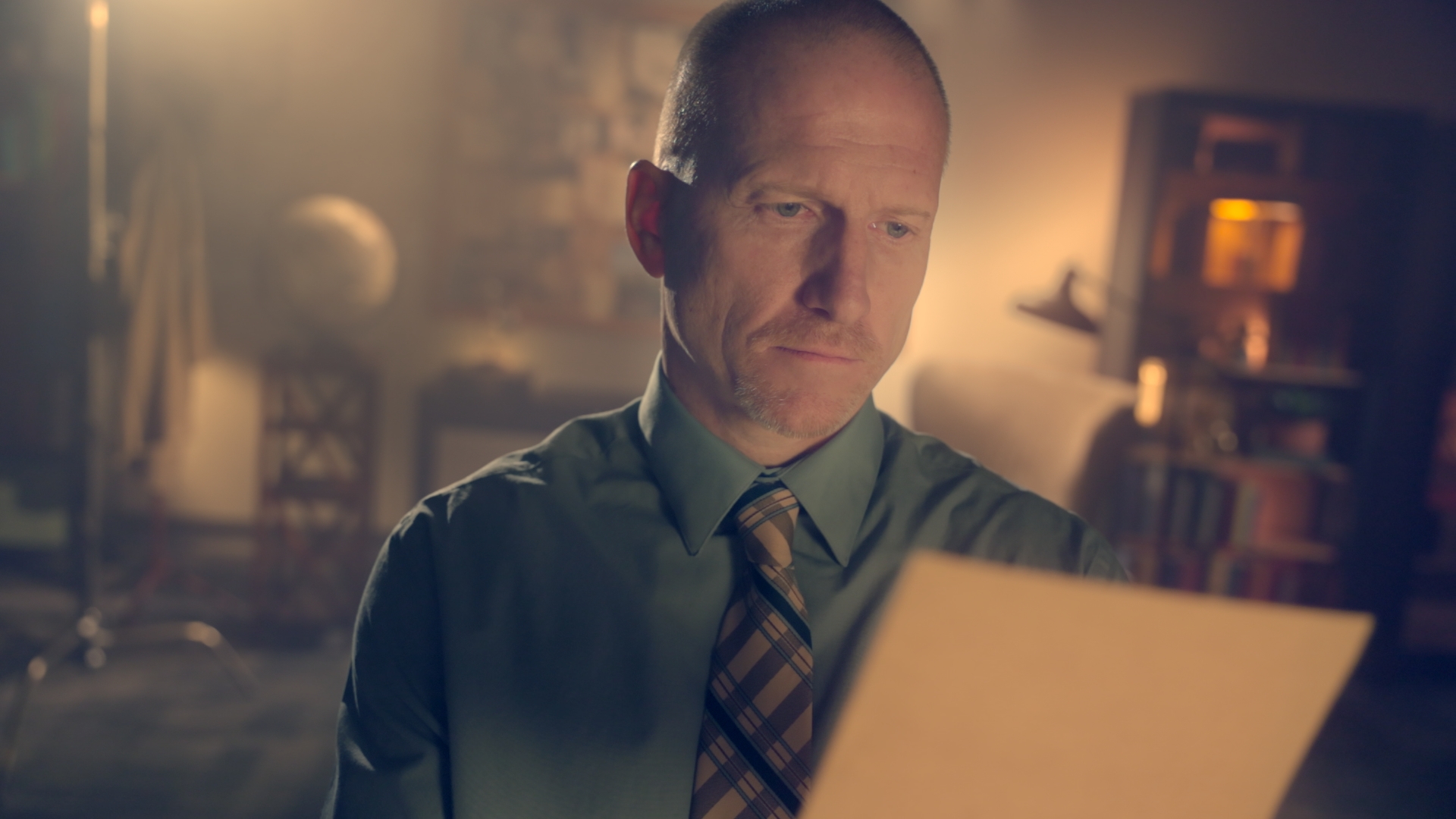
Sample Lesson - Introduction
 This course was developed by the International Academy of Science.
Learn More
This course was developed by the International Academy of Science.
Learn More
Scope and Sequence
Unit 1: Historical Analysis Skills In this foundational unit, students develop essential research skills for investigating historical conspiracies, myths, and mysteries. They explore the origins of conspiracies and myths, learn to classify characteristics of historical mysteries, and master the steps of historical inquiry—including distinguishing fact from fiction, identifying misinformation, conducting investigations, analyzing sources, and forming educated conclusions. These lessons establish a methodical framework that students will apply throughout the course.
Unit 2: The John F. Kennedy Assassination This comprehensive unit provides a detailed chronological and analytical study of the 1963 assassination of President John F. Kennedy. Students examine the background of JFK’s presidency, the events of November 22 in Dallas (including the motorcade, shots fired, Parkland Hospital, Lee Harvey Oswald’s arrest, and the immediate national reaction), the Warren Commission and its report, the Zapruder film, subsequent congressional investigations, and major conspiracy theories involving the Soviet Union, Fidel Castro, the Mafia, and the U.S. government. Students evaluate evidence and draw their own educated conclusion about this most-investigated murder in American history.
Unit 3: The Lost Colony of Roanoke Students investigate one of early America’s greatest unsolved mysteries: the disappearance of the 1587 Roanoke colony. The unit covers the colony’s founding, hardships faced by the settlers, John White’s journey to England and return, and the famous “Croatoan” clue. Students analyze leading theories—including integration with Native Americans, attack by Native Americans, disease, or famine—and review modern archaeological findings from the Croatoan Archaeological Project before forming their own evidence-based opinion.
Unit 4: The Ark of the Covenant This unit traces the biblical and historical journey of the Ark of the Covenant from its early travels through King Solomon’s Temple to its mysterious disappearance after the Babylonian destruction of Jerusalem in 586 BCE. Students examine six major theories about its current location—including hidden in Jerusalem, taken to Babylon, Mount Nebo, Ethiopia, the Knights Templar, or the New World—and evaluate supporting evidence before reaching an educated conclusion on one of history’s most enduring religious mysteries.
Unit 5: Unidentified Flying Objects Students explore the phenomenon of Unidentified Flying Objects (UFOs) and Unidentified Aerial Phenomena (UAP). The unit covers early historical accounts, the 1938 “War of the Worlds” broadcast, the 1947 Roswell incident and its evidence, government explanations, Cold War-era sightings, Area 51, the Wow! Signal, SETI, late 20th- and 21st-century reports, and the 2021 UAP Report plus 2025 congressional hearings. Students classify conspiracy theories and government responses before forming their own informed opinion on the existence of extraterrestrial life or advanced technology.
Unit 6: The Bermuda Triangle This unit examines the legendary “Devil’s Triangle” in the North Atlantic. Students learn its geographic boundaries, the origins of its ominous reputation, and the significance of incidents such as Flight 19. They evaluate three primary explanatory theories—supernatural causes, navigational error, and natural oceanic occurrences—alongside official scientific explanations from NOAA, then draw an evidence-based conclusion about the mystery.
Unit 7: The Nazca Lines Students study the massive geoglyphs of the Nazca Lines in Peru, including how they were created and their proposed purposes. The unit covers five major theories—water and fertility rituals, astronomical calendar, sacred pathways, weaving guides, and alien involvement—plus the 2024 discovery of over 300 new geoglyphs. Students assess archaeological evidence and form an educated opinion on the ancient civilization that produced these enigmatic markings.
Unit 8: The Mystery of Oak Island This unit investigates the long-running “Money Pit” mystery on Oak Island, Nova Scotia. Students explore the island’s founding, the 1795 discovery, early excavations and the alleged curse, and major theories involving pirate treasure, Knights Templar artifacts, or ancient jewels and manuscripts. They also examine Franklin D. Roosevelt’s interest and the broader historical impact before reaching their own conclusion about the island’s secrets.
Unit 9: The Mystery of the Egyptian Pyramids Students analyze the construction, purpose, and cultural significance of the Egyptian pyramids, focusing on the Great Pyramid of Giza and the Sphinx. The unit covers tombs and afterlife beliefs, symbolism, possible grain-storage functions, the lives of the workers, and three construction theories (ramp, water shaft, and alien involvement). Students review archaeological findings and 21st-century technological discoveries before forming an educated opinion on how these monumental structures were built.
Unit 10: The Lincoln Assassination This unit examines the 1865 assassination of President Abraham Lincoln at the end of the Civil War. Students study John Wilkes Booth and his co-conspirators, the kidnapping plot, the events of April 14, the manhunt, the fate of the conspirators, and the impact on Reconstruction. They evaluate three conspiracy theories—Vice President Andrew Johnson’s involvement, a larger Confederate plot, and disaffected Northerners—before drawing their own evidence-based conclusion.
Unit 11: Stonehenge Students investigate the prehistoric monument of Stonehenge in England, including its construction methods, materials, and historical uses. The unit explores six major theories about its purpose—as an astronomical observatory, ceremonial and religious site, burial ground, place of healing, soundscape, or act of cultural unification—plus recent 21st-century technological findings. Students assess the evidence and form an educated opinion on its meaning.
Unit 12: The Death of Adolf Hitler This unit focuses on the final days of World War II and the reported death of Adolf Hitler in the Battle of Berlin. Students examine the official account of April 30, 1945, conspiracy theories (including escape to Argentina), U.S. government investigations by the CIA and FBI, Russian-held artifacts, and evidence of Nazis in Argentina. They classify theories and reach an evidence-based conclusion about Hitler’s fate.
Unit 13: The Legend of the Knights Templar Students explore the historical rise and dramatic fall of the Knights Templar during the Crusades, their wealth, influence, sacred relics, arrest on Friday the 13th, and dissolution. The unit covers legends of their flight to Scotland, connections to Rosslyn Chapel and the Sinclairs, alleged voyages to the Americas, and the Kensington Runestone. Students evaluate the legacy of this secretive order and express an educated opinion on its enduring mysteries.
Unit 14: It’s Your Turn! In this culminating unit, students apply everything learned throughout the course by conducting independent historical research using 21st-century tools and methods. They practice sequencing accurate research steps, gathering and evaluating evidence, and forming conclusions about a historical mystery of their choice, demonstrating mastery of critical inquiry and evidence-based reasoning.
More Courses by this Instructor

 Acellus