America: The Forging of a Nation
Course Features
Course Details
Course Overview
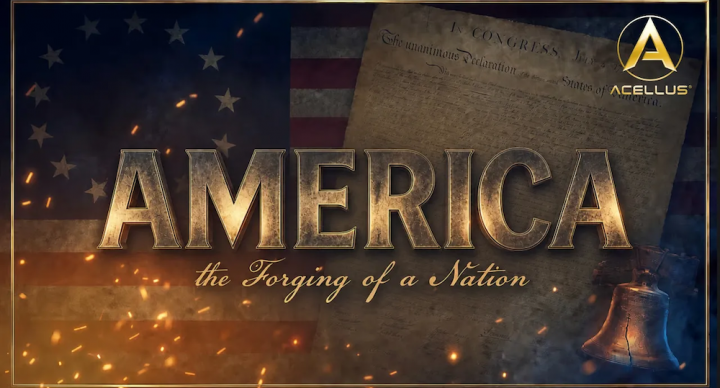
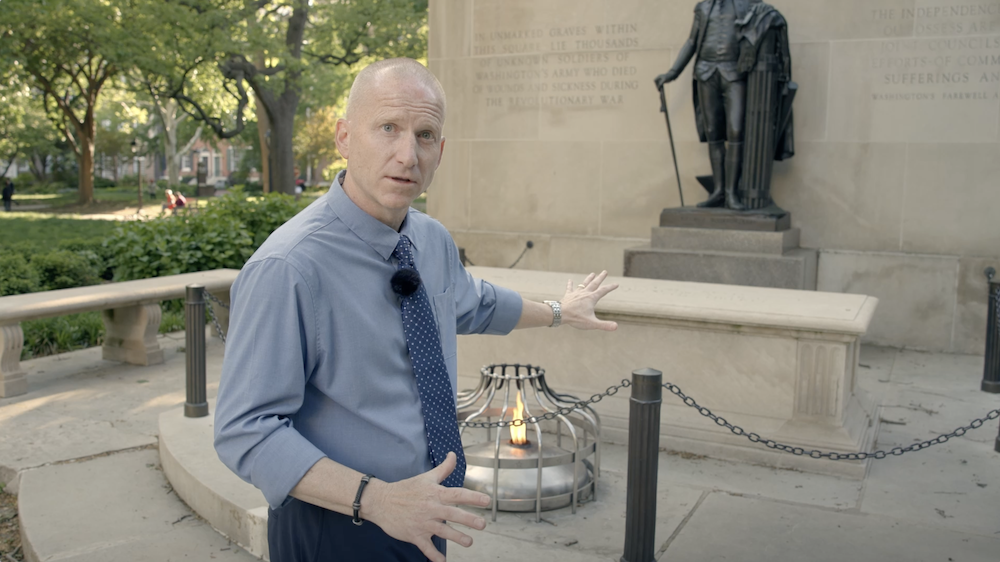
America: The Forging of a Nation is a semester-long American history course that traces the dramatic story of the American Revolution—from the first stirrings of colonial discontent to the founding of a new republic built on the ideals of liberty and self-government. Students explore how Enlightenment thought, economic grievances, and mounting political tensions pushed thirteen British colonies toward rebellion, and how a hard-fought war and a bold experiment in self-rule gave rise to the United States. Filmed on location at landmark Revolutionary sites in Boston and Philadelphia—Faneuil Hall, the Old North Church, Independence Hall, and more—the course brings the people, places, and decisions of the founding era vividly to life.
Throughout the course, students do the work of historians: sequencing events, analyzing cause and effect, interpreting primary sources such as Thomas Paine's Common Sense, and evaluating the leadership choices that shaped the nation's birth. They examine the road to independence, the early battles and the resolve they inspired, George Washington's leadership through the war's most difficult campaigns, and the ideas and personalities of the Founding Fathers. The course culminates in the drafting and ratification of the U.S. Constitution and a reflection on the enduring legacy of the Revolution. By the end of the course, students will be able to analyze the major events, leadership decisions, and founding principles of the American Revolution and evaluate their role in establishing the United States as a nation grounded in the ideals of liberty and self-government.
Sample Lesson - America: The Forging of a Nation
 This course was developed by the International Academy of Science.
Learn More
This course was developed by the International Academy of Science.
Learn More
Scope and Sequence
Unit 1 – Colonial Foundations and Rising Tensions This unit examines the buildup of colonial discontent with British rule, focusing on economic policies, protests, and early acts of resistance. Beginning with the Enlightenment ideas behind American concepts of liberty, students survey colonial-British relations, self-government, and the effects of the French and Indian War before tracing the escalating conflict through the Stamp Act, the Townshend Acts, the Boston Massacre, the Boston Tea Party, and the Intolerable Acts. Using Boston and Philadelphia landmarks and primary sources, students trace the political, economic, and ideological developments that increased tensions between the colonies and Great Britain prior to 1775.
Unit 2 – The Spark of Independence This unit covers the immediate lead-up to and declaration of independence, using Philadelphia sites to highlight the key meetings and documents of the founding era. Through cause-and-effect analysis and close reading of foundational texts, students examine the debates and decisions that moved the colonies from resistance to a formal break with Britain. By the end of the unit, students will be able to analyze the process and key ideas that led to the Declaration of Independence.
Unit 3 – Early Battles and Patriot Resolve Focusing on the Revolution's first military engagements, this unit analyzes strategic decisions, battles, and their impact on colonial morale. Using chronological timelines and battle maps, students evaluate how early victories and setbacks alike strengthened patriot determination. By the end of the unit, students will be able to sequence the early battles of the Revolution and determine their effect on patriot morale.
Unit 4 – Washington's Leadership and Key Campaigns This unit delves into George Washington's central role in the war, examining his major river crossings, winter encampments, and command decisions through on-location filming that illustrates leadership under adversity. Students weigh the choices Washington faced during the pivotal 1776–1778 campaigns. By the end of the unit, students will be able to evaluate George Washington's leadership decisions during these key campaigns.
Unit 5 – Founding Fathers and Intellectual Foundations Exploring the era's key figures and the ideas that drove them, this unit uses museums and historic burial sites to humanize the founders and connect their contributions to the broader intellectual currents of the Revolution. By the end of the unit, students will be able to match the contributions of major Founding Fathers to the intellectual foundations of the Revolution.
Unit 6 – The Constitution and Birth of the Republic This unit covers the Constitutional Convention and the ratification debates, emphasizing Philadelphia's central role in the creation of the new government. Students examine the competing interests, compromises, and guiding principles that shaped the nation's framework. By the end of the unit, students will be able to analyze the compromises and principles embedded in the U.S. Constitution.
Unit 7 – Victory, Legacy, and Lessons in Patriotism Concluding with the war's end and the enduring ideals of the founding, this unit inspires through stories of sacrifice and reflects on how the Revolution continues to shape American identity. By the end of the unit, students will be able to evaluate the long-term legacy of the Revolutionary War and the founding documents on American patriotism.
More Courses by this Instructor


 Acellus